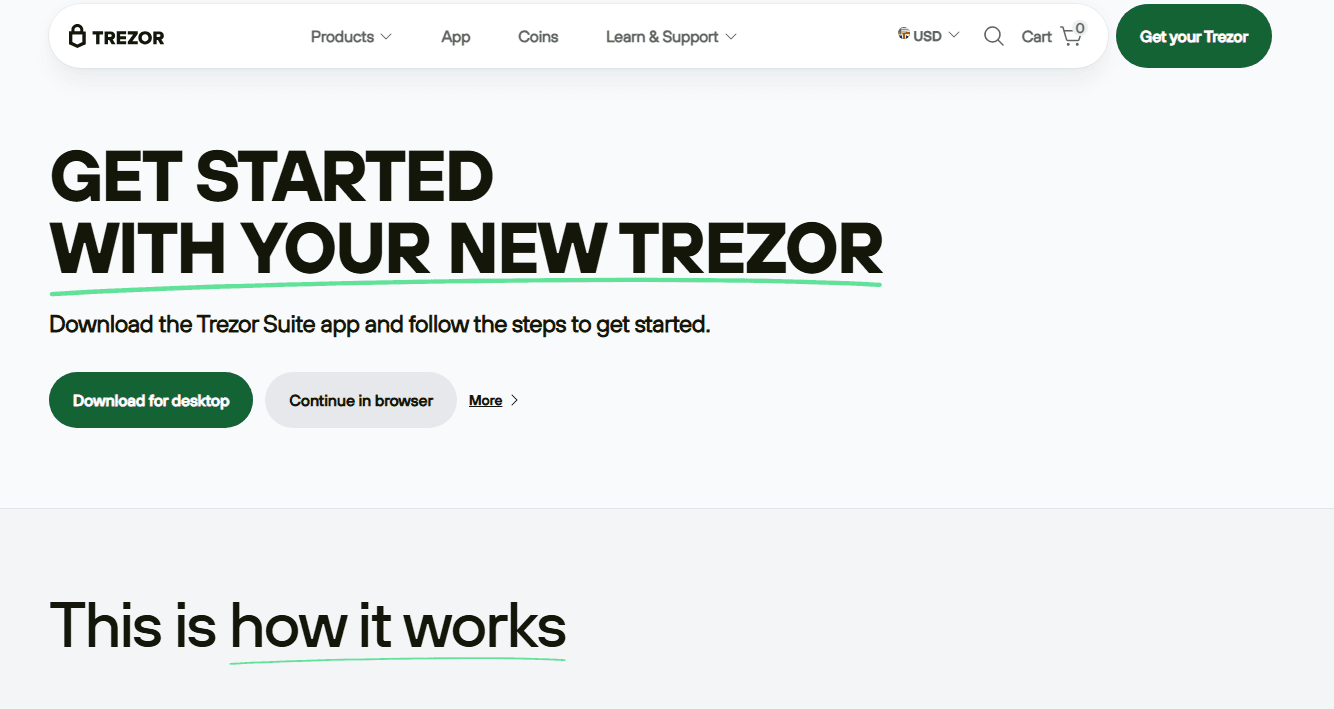
Trezor.io/Start: The Ultimate Guide to Secure Crypto Management
The world of cryptocurrency can be exciting yet challenging, especially when it comes to keeping your assets safe. Trezor, one of the leading hardware wallet providers, offers a secure solution for managing digital currencies. The Trezor.io/start portal is your gateway to setting up, securing, and optimizing your Trezor device. This guide will walk you through every step, ensuring a seamless experience.
What is Trezor?
Trezor is a hardware wallet designed to safeguard your cryptocurrencies from hackers, malware, and phishing attacks. Unlike software wallets, Trezor stores private keys offline, making it virtually immune to online threats. By visiting Trezor.io/start, users can easily set up their Trezor device and start managing their crypto securely.
Key Features of Trezor Wallet:
Offline storage of private keys
Compatibility with multiple cryptocurrencies
User-friendly interface
Secure transaction signing
Backup and recovery options
Getting Started with Trezor.io/start
Visiting Trezor.io/start is the first step in your crypto security journey. The portal is designed to provide all necessary instructions, download links, and tips for a safe setup process.
Step 1: Choose Your Trezor Device
Trezor offers multiple models such as the Trezor One and Trezor Model T. Each device has unique features:
Trezor One: Affordable, reliable, and supports over 1,000 cryptocurrencies.
Trezor Model T: Advanced touchscreen, additional security features, and expanded crypto support.
Choosing the right device depends on your investment size, desired security level, and usability preferences.
Step 2: Install Trezor Suite
Once you have your device, the next step is installing the Trezor Suite—the official software for managing your wallet. Trezor Suite can be downloaded directly from Trezor.io/start for Windows, macOS, Linux, and as a web-based option.
Installation Steps:
Download Trezor Suite from the official site.
Follow the installation instructions for your operating system.
Launch Trezor Suite and connect your device via USB.
Step 3: Initialize Your Trezor Device
After installation, the device needs to be initialized. Trezor.io/start provides step-by-step guidance for this process.
Initialization Steps:
Connect your Trezor device to your computer.
Follow the on-screen instructions in Trezor Suite.
Create a new wallet or recover an existing one using a recovery seed.
This process ensures that your device is ready to store crypto securely.
Step 4: Set Up Your PIN and Passphrase
Security is paramount when managing cryptocurrencies. Trezor allows users to set up a PIN code and optionally a passphrase to further secure access to your wallet.
Tips for Security:
Choose a strong, unique PIN.
Never share your PIN or recovery seed with anyone.
Consider using a passphrase for an additional security layer.
Trezor.io/start provides clear instructions on how to configure these security features safely.
Managing Your Cryptocurrency
Once your Trezor device is set up, you can start managing your crypto assets through Trezor Suite.
Supported Cryptocurrencies
Trezor supports a wide variety of digital assets, including:
Bitcoin (BTC)
Ethereum (ETH)
Litecoin (LTC)
Ripple (XRP)
Many ERC-20 tokens
This multi-currency support makes Trezor a versatile choice for crypto investors.
Sending and Receiving Crypto
Trezor Suite simplifies the process of sending and receiving digital currencies:
Receiving: Generate a new address for each transaction to enhance privacy.
Sending: Review transaction details carefully before confirming with your device.
These steps ensure that your funds are always secure.
Backup and Recovery
One of the most critical features of Trezor is its recovery seed. This is a set of 12 to 24 words that can restore your wallet if your device is lost or damaged.
Recovery Steps via Trezor.io/start:
Write down the recovery seed on paper—never store it digitally.
Keep the seed in a safe, secure location.
Follow Trezor Suite instructions to restore your wallet if needed.
Proper backup practices ensure that your cryptocurrency is never lost.
Advanced Features
Trezor is more than just a storage device—it comes with several advanced features:
Passphrase-protected wallets: Create hidden wallets for extra security.
Third-party integration: Connect Trezor to wallets like Exodus, Electrum, and MyEtherWallet.
Crypto portfolio tracking: Monitor your assets and transactions from a single dashboard.
These features make Trezor an all-in-one solution for secure crypto management.
Security Best Practices
Even with a hardware wallet, user habits are crucial. Trezor.io/start emphasizes the following best practices:
Always download software from official sources.
Regularly update Trezor firmware.
Be cautious of phishing websites and emails.
Never share your recovery seed or PIN.
By following these guidelines, users can maintain the highest level of security.
Troubleshooting and Support
Trezor.io/start also provides access to comprehensive troubleshooting resources:
Step-by-step guides for common issues
FAQs covering setup, transactions, and device errors
Contact support for personalized assistance
Whether you are a beginner or an experienced user, Trezor ensures help is always available.
Conclusion
Visiting Trezor.io/start is your first step toward secure cryptocurrency management. By following the setup instructions, installing Trezor Suite, and practicing strong security habits, users can protect their assets from digital threats. Trezor combines convenience, versatility, and robust security, making it one of the most trusted names in the crypto world.
Investing in a Trezor device and following the steps on Trezor.io/start ensures your digital assets remain safe, accessible, and easy to manage, empowering you to participate confidently in the cryptocurrency ecosystem.
This content is structured to be around 1000 words and includes multiple highlight headings to improve readability and SEO performance.